
kokki, 2025
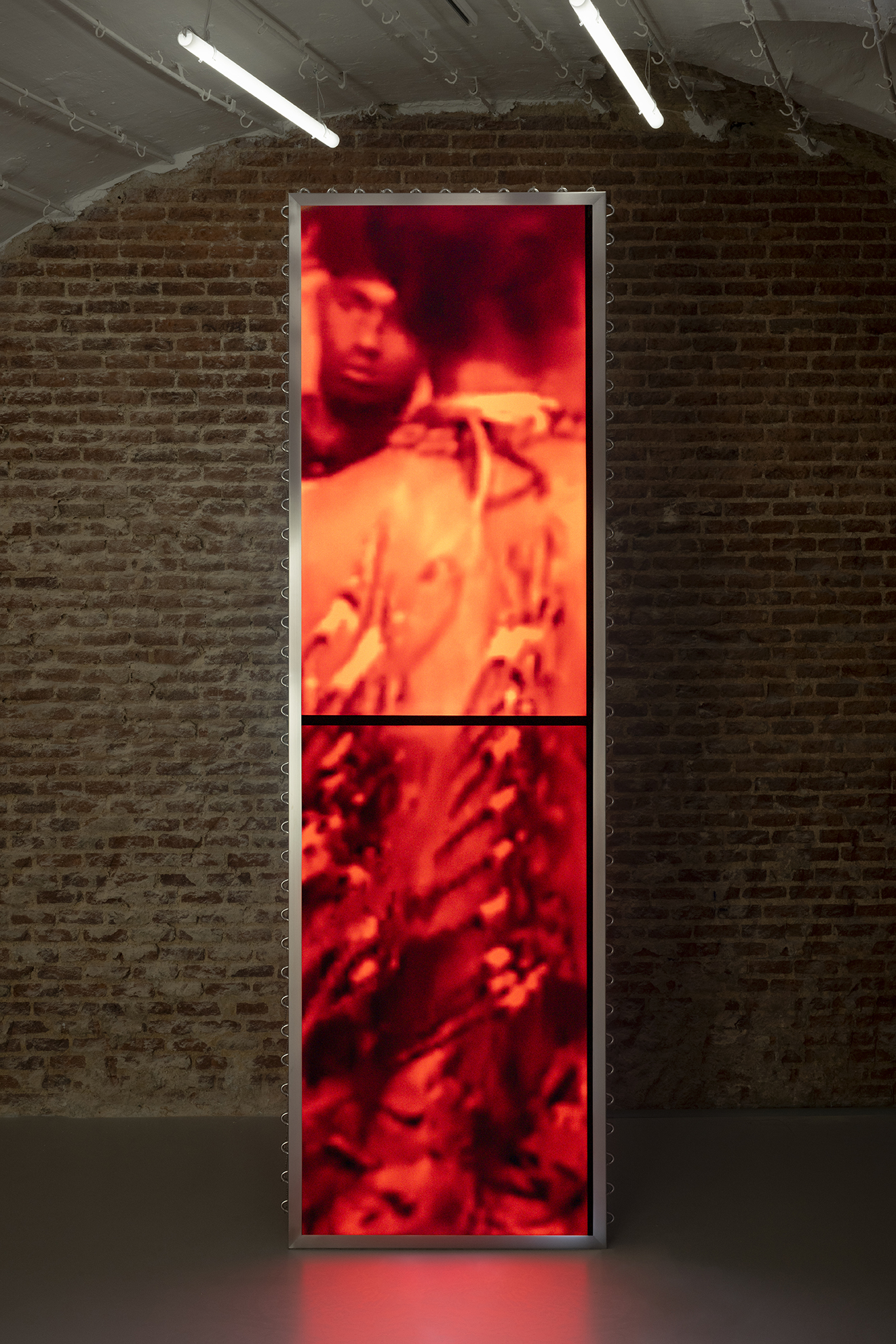
Two-channel video, (colour and sound), 21:21 min
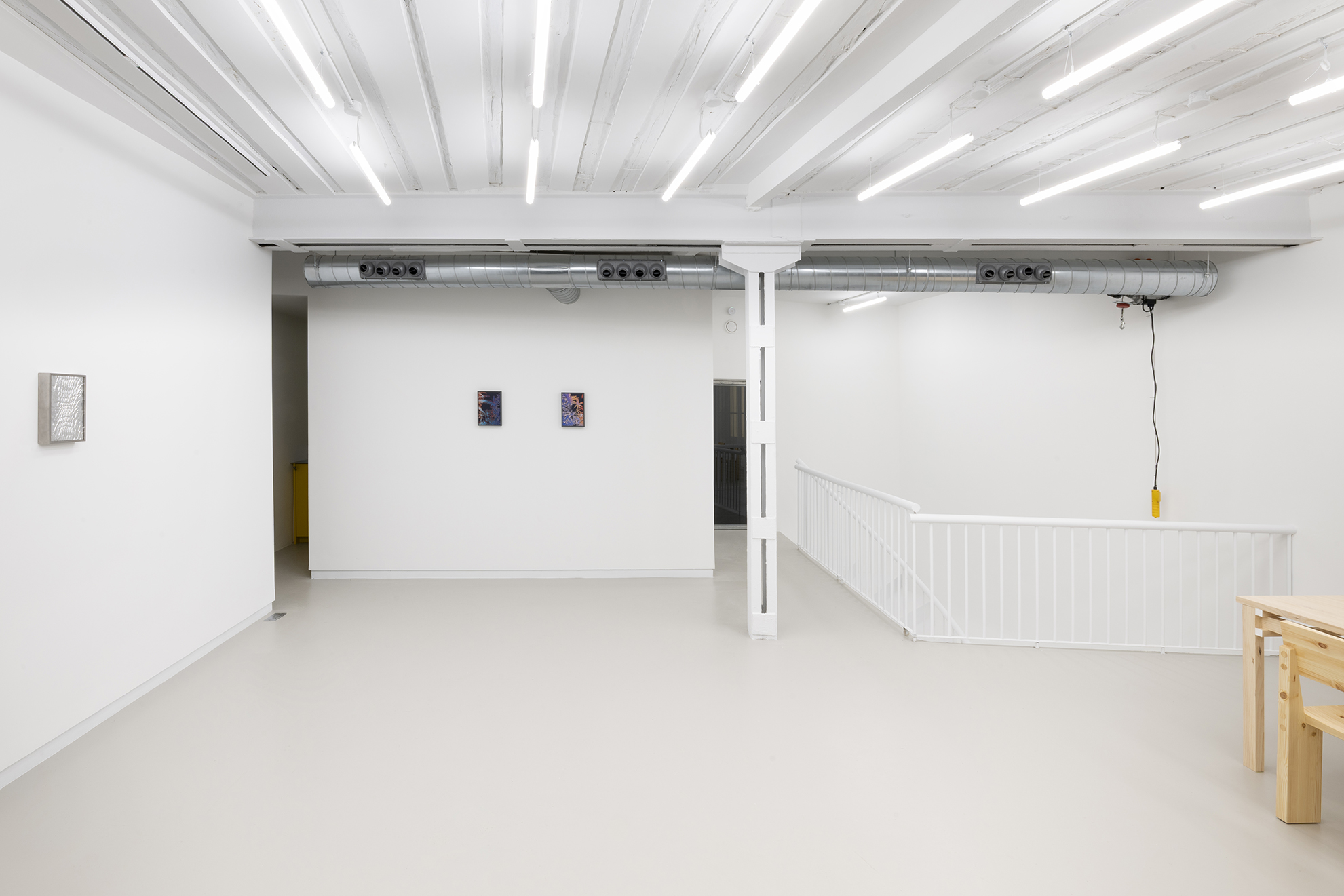
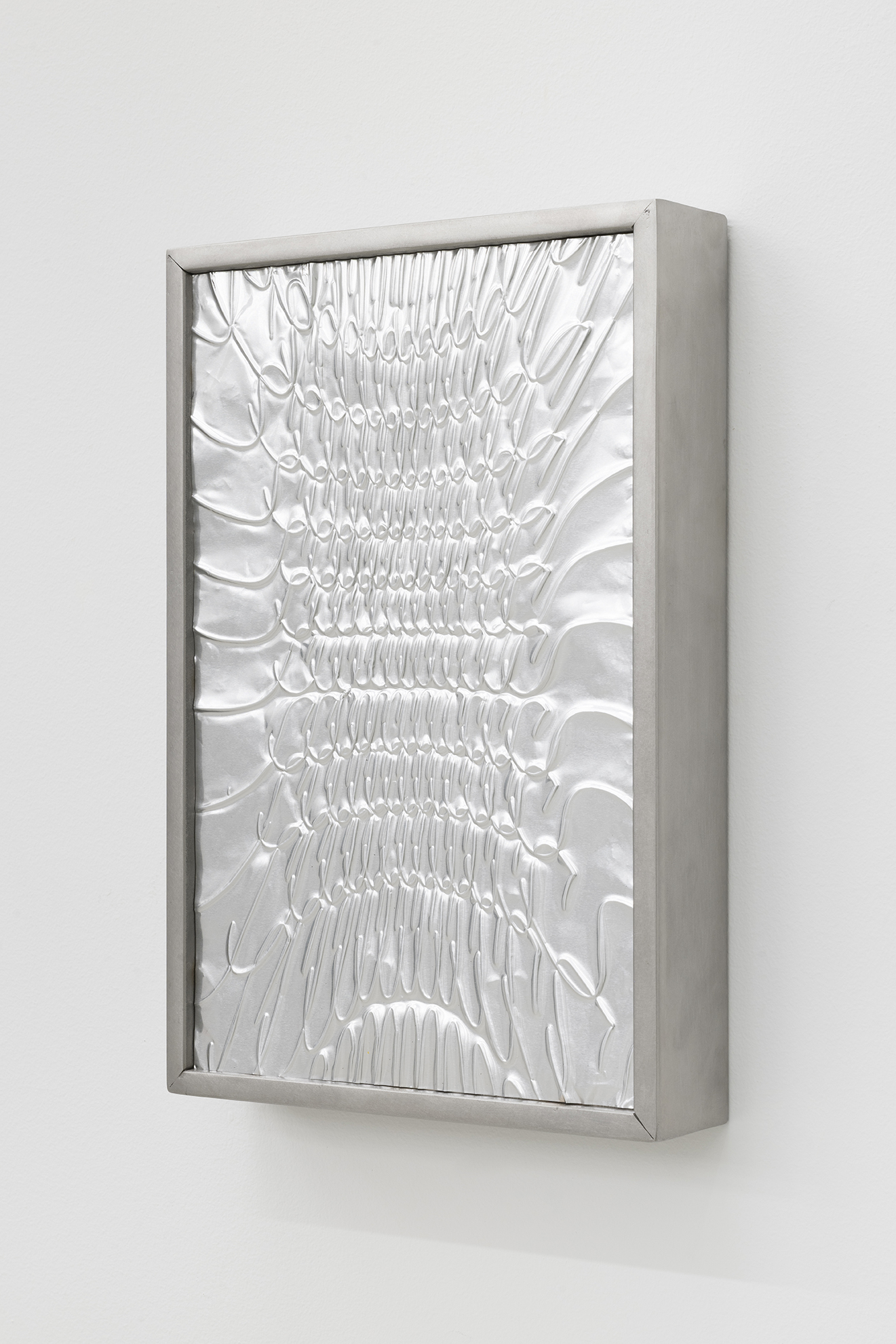
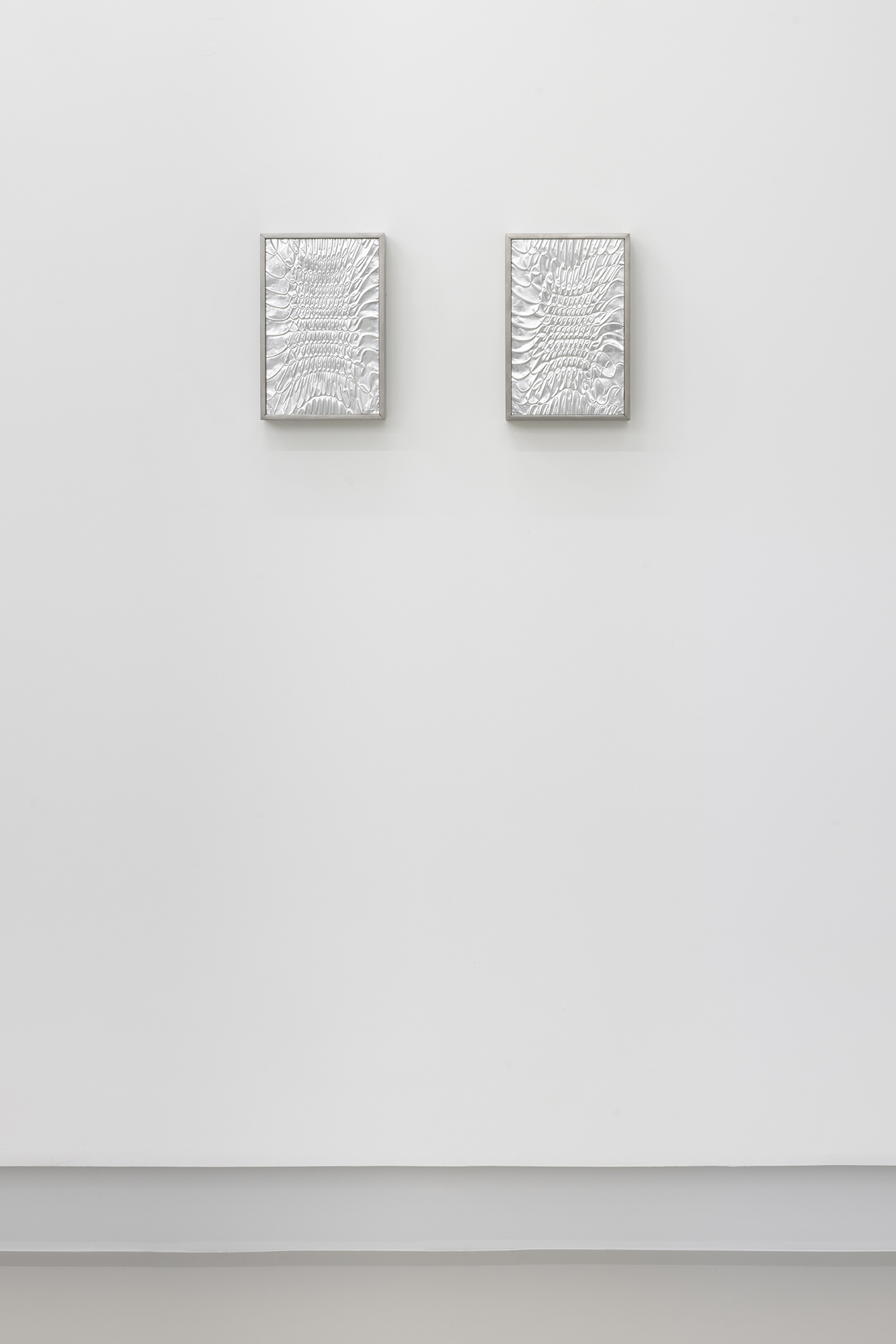
Material Study: After Form I–III, 2025
Perforated aluminium reliefs
Spectre System, 2024
Single-channel video, (colour and sound), 15 min
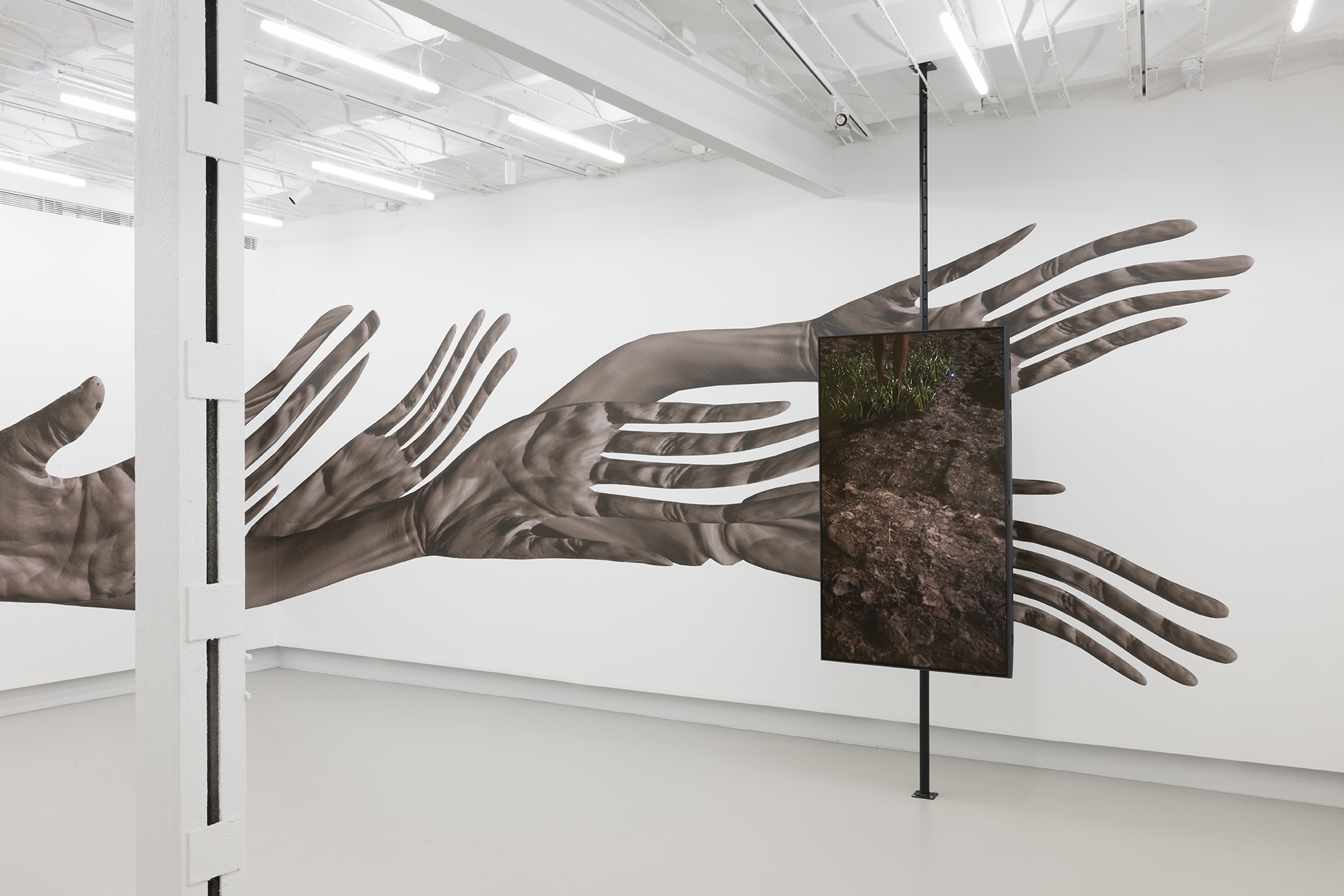
Mesh: Prelude to Spectre System, 2024
Vinyl print
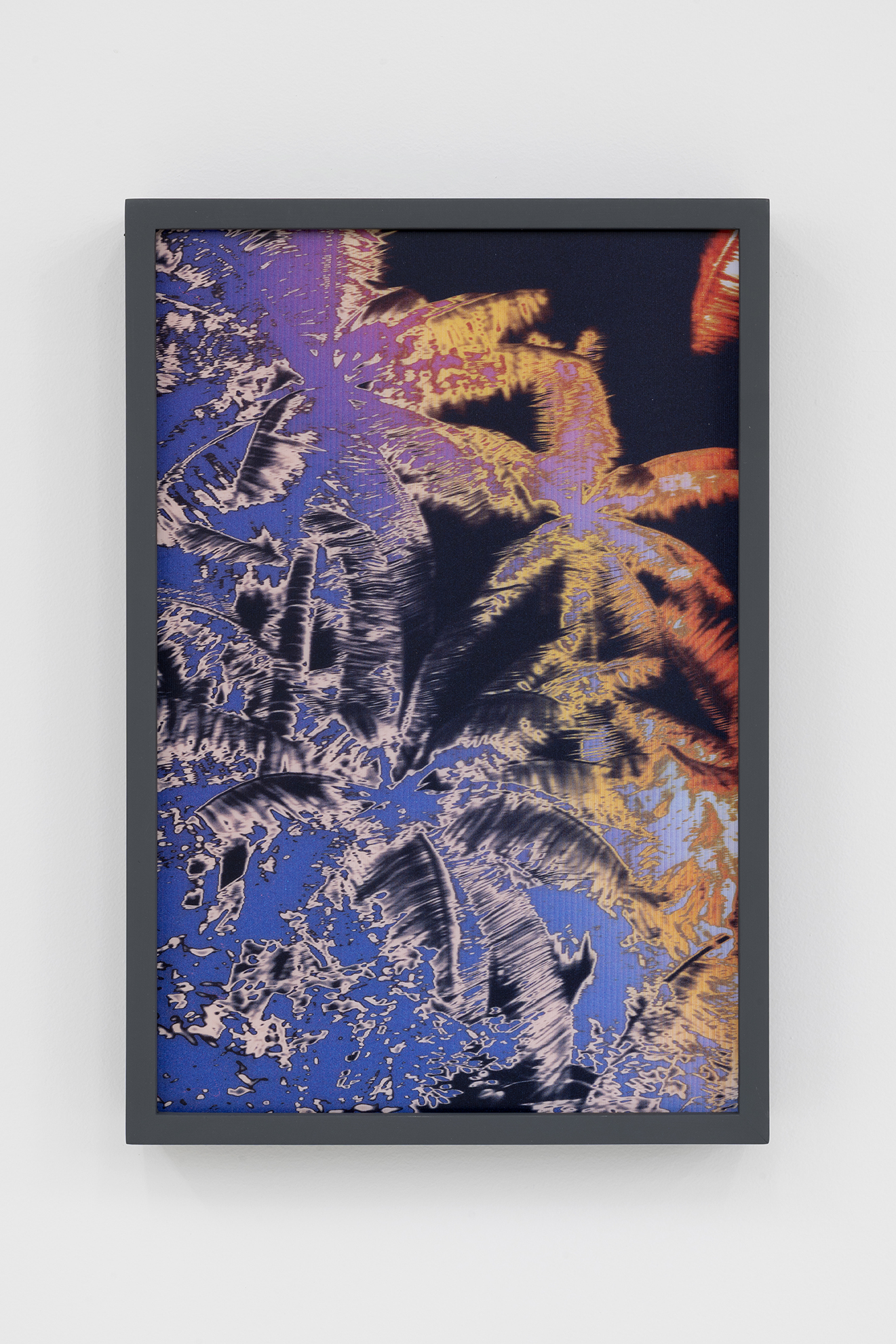
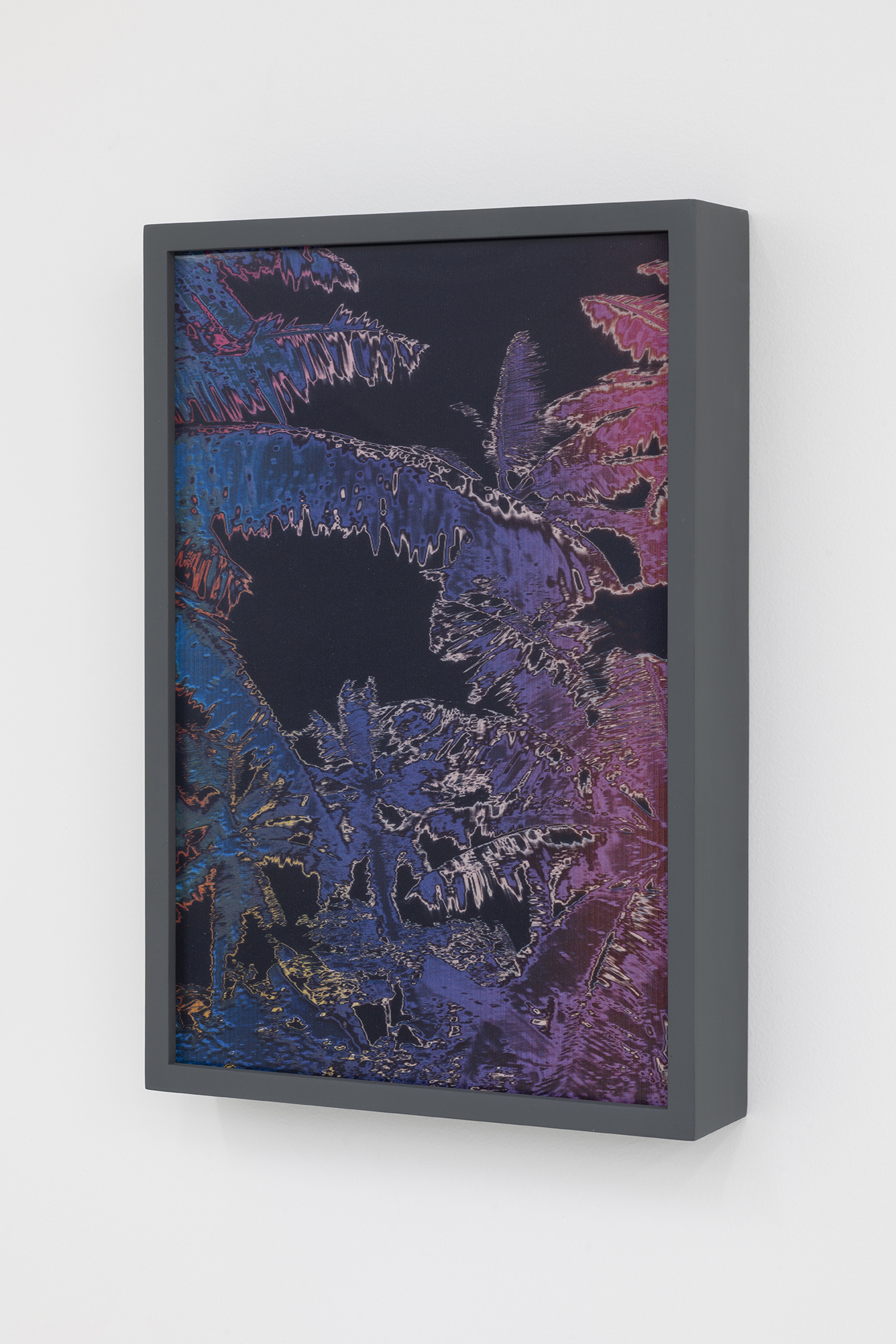
H.E.A.T Data Report_5 and 6, 2025
Unique lenticular prints
Solo Exhibition
Curated by Carmen Lael Hines and Roberto Majano
The RYDER Projects
Madrid, Spain
Two-channel video, (colour and sound), 21:21 min
Material Study: After Form I–III, 2025
Perforated aluminium reliefs
Spectre System, 2024
Single-channel video, (colour and sound), 15 min
Mesh: Prelude to Spectre System, 2024
Vinyl print
H.E.A.T Data Report_5 and 6, 2025
Unique lenticular prints
Solo Exhibition
Curated by Carmen Lael Hines and Roberto Majano
The RYDER Projects
Madrid, Spain
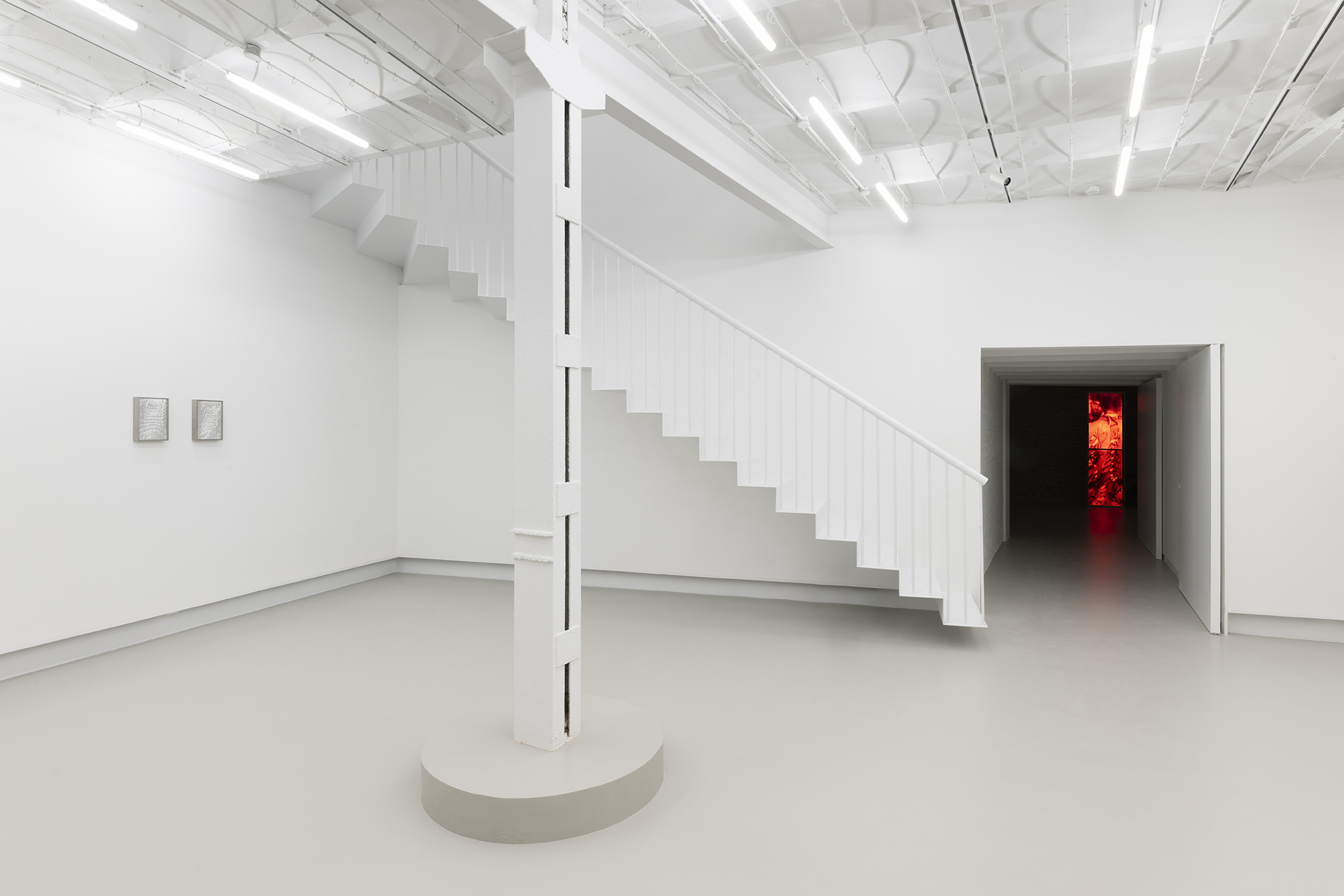
kokki is Priyageetha Dia’s first solo presentation in Spain. Works developed between 2023 and 2025 come together through an inquiry into how new technologies can communicate, visualise, and reimagine practices of refusal within post-Fordist labor histories. The multimedia works formed through techniques such as computer-generated imaging (CGI), generative speech synthesis, lenticular printing, and relief drawings are used as tools for perceiving the devisualised histories of forced and indentured labour, from the plantation to the disciplined body of financial capitalism. Encouraging connections between tool, form, and output, kokki engages the capacities and limitations of contemporary technological tools in analysing global somatic work histories and structures.
The Practicing Refusal Collective, founded by Tina Campt and Saidiya Hartman, define refusal as “a generative and capacious rubric for theorizing everyday practices of struggle often obscured by an emphasis on collective acts of resistance.” They further write that “‘practicing refusal’ names the urgency of rethinking the time, space, and fundamental vocabulary of what constitutes politics, activism, and theory, as well as what it means to refuse the terms given to us to name these struggles.” In Dia’s reading, refusal is an effort of representation: physical and digital, historical and contemporary, to destabilise paradigmatic assumptions of the present.
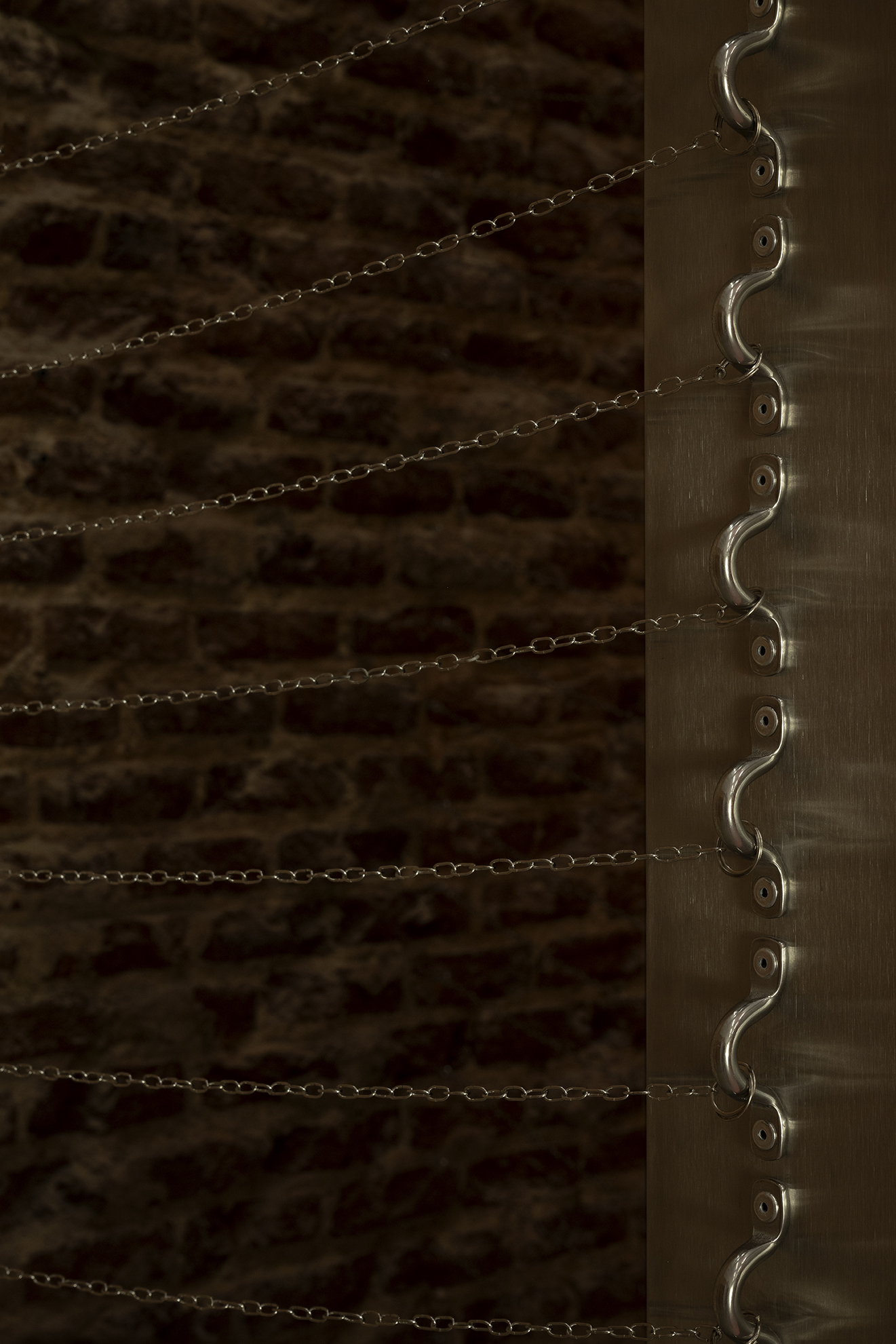
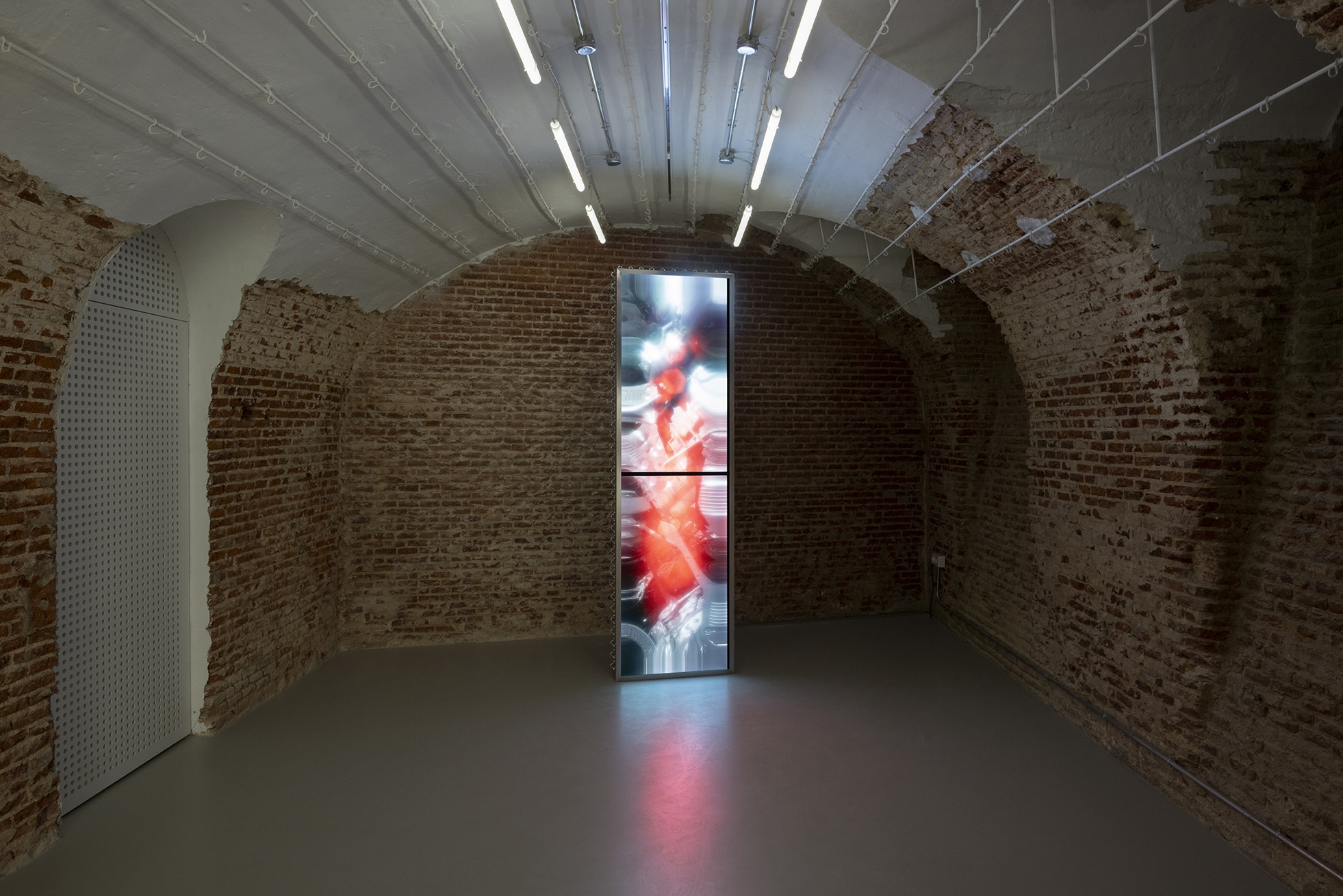
Drawing on her methodological origins of working with and from space, kokki grounds itself in a site-specific response to the building that now houses The Ryder Projects – a former ham-drying factory in Madrid’s Tribunal district. In Dia’s interpretation, the site epitomises how modernity conjoins technology and the organisation of flesh. Reimagining the hanging lines of cured hams, the spatial arrangement reflects the mechanised cadence of the assembly line, where flesh is segmented and reorganised by capital.
kokki, meaning hook or clasp in Tamil, is a new video work developed for the occasion of this exhibition, which extends the ideas introduced in the preceding studies alongside Dia’s recent research at the Royal Academy of Art in The Hague. The work engages Zakiyyah Iman Jackson’s Becoming Human, which argues that Blackness and other racialised forms of being were not simply excluded from the category of the “human” but violently included as plasticity. This two-channel video installation uses metal hardware to construct an entity-like form, drawing from the pierced and suspended body in kavadi attam, a ritual of endurance and devotion practiced by Tamil Hindu communities. The work engages with the relationship between bodily sacrifice, industrial machinery, and systems of production. It draws a line between the material culture of ritual and the infrastructures of mechanisation, particularly those found in slaughterhouses and factory lines.
...
More info
Sound Design: Ege Şahin
Title Design: Darius Ou
Supported by National Arts Council, Singapore
The Practicing Refusal Collective, founded by Tina Campt and Saidiya Hartman, define refusal as “a generative and capacious rubric for theorizing everyday practices of struggle often obscured by an emphasis on collective acts of resistance.” They further write that “‘practicing refusal’ names the urgency of rethinking the time, space, and fundamental vocabulary of what constitutes politics, activism, and theory, as well as what it means to refuse the terms given to us to name these struggles.” In Dia’s reading, refusal is an effort of representation: physical and digital, historical and contemporary, to destabilise paradigmatic assumptions of the present.
Drawing on her methodological origins of working with and from space, kokki grounds itself in a site-specific response to the building that now houses The Ryder Projects – a former ham-drying factory in Madrid’s Tribunal district. In Dia’s interpretation, the site epitomises how modernity conjoins technology and the organisation of flesh. Reimagining the hanging lines of cured hams, the spatial arrangement reflects the mechanised cadence of the assembly line, where flesh is segmented and reorganised by capital.
kokki, meaning hook or clasp in Tamil, is a new video work developed for the occasion of this exhibition, which extends the ideas introduced in the preceding studies alongside Dia’s recent research at the Royal Academy of Art in The Hague. The work engages Zakiyyah Iman Jackson’s Becoming Human, which argues that Blackness and other racialised forms of being were not simply excluded from the category of the “human” but violently included as plasticity. This two-channel video installation uses metal hardware to construct an entity-like form, drawing from the pierced and suspended body in kavadi attam, a ritual of endurance and devotion practiced by Tamil Hindu communities. The work engages with the relationship between bodily sacrifice, industrial machinery, and systems of production. It draws a line between the material culture of ritual and the infrastructures of mechanisation, particularly those found in slaughterhouses and factory lines.
...
More info
Sound Design: Ege Şahin
Title Design: Darius Ou
Supported by National Arts Council, Singapore